Bruce Lee has been gone for more than fifty years and yet somehow he still moves through modern cinema.
Not as nostalgia. Not as a shadow frozen in time. But through movement itself.
In the split-second rhythm of a fight scene. In the emotional realism behind physical performance. In the controlled chaos unfolding behind blockbuster action films audiences never realize are carrying his DNA forward.
His real legacy lives inside the mindset of the performers, coordinators, and filmmakers still shaping modern cinema today.
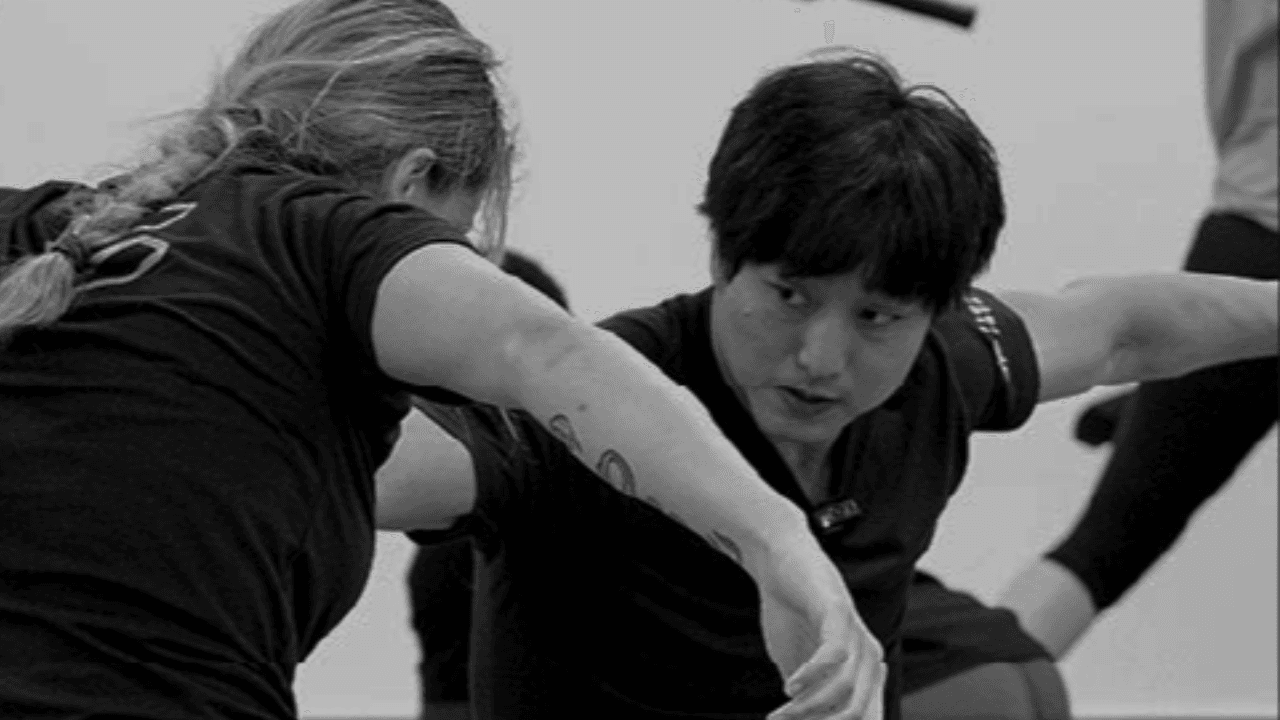
When we sat down with Australian stunt performer and fight choreographer Chan Griffin, it became apparent that Bruce Lee’s teachings are not abstract ideas from another era. They are principles still actively guiding the way modern action films are made.
Griffin has worked on major productions including The Wolverine, Aquaman, Mortal Kombat, Thor: Love and Thunder, Shazam!, and the recent action thriller The Bluff. Yet when speaking about his career, he rarely focuses on spectacle. Instead, he returns repeatedly to philosophy championed decades ago: humility, presence, discipline, adaptability, and learning how to let go and “focus on the right thing.”

Bruce Lee Changed More Than Martial Arts
Before Bruce Lee, Hollywood fight scenes often felt staged and disconnected from reality. Combat in films was theatrical, rigid, and exaggerated, more performative than emotionally expressive.
Bruce Lee changed that forever.
His movement carried intensity. His speed felt dangerous. His fights revealed psychology, identity, frustration, and self-expression as much as physical combat.
But perhaps his greatest contribution was philosophical.
Bruce Lee believed martial arts should never be dictated by ego or tradition. He encouraged constant growth, adaptability, and self-discovery. His famous phrase, “Be water, my friend,” was never simply about fighting. It was about learning how to move through life without becoming frozen by fear or resistance.
That philosophy still echoes and lives on through modern stunt culture today.

Enter the Dragon (40th Anniversary Edition) Blu-ray
Bruce Lee's defining film, remastered for its 40th anniversary. Enter the Dragon remains the benchmark for martial arts cinema and the clearest window into the philosophy that changed action filmmaking forever.
Available on Amazon
Jackie Chan Expanded the Blueprint
Decades earlier, Bruce Lee shattered Hollywood’s understanding of martial arts cinema.
Then Jackie Chan rebuilt the blueprint entirely.
The falls became harder. The fights became messier. The action became human.
Jackie Chan’s films blended danger, humor, improvisation, and practical stunt work into something entirely new. His action scenes became less about invincibility and more about survival, creativity, rhythm, and pain, and the strange beauty of getting back up again.
That evolution directly shaped modern stunt teams around the world.
For Chan Griffin, that lineage became personal early in his career.
When we sat down with Griffin, he recalled participating in a Jackie Chan-backed competition searching for the next martial arts film star, an experience that unexpectedly altered the direction of his life.
Later, one of the most pivotal moments of Griffin’s career came through legendary stunt performer Brad Allan, the first non-Asian member of Jackie Chan’s stunt team.
Allan would go on to help shape some of modern cinema’s most celebrated action films including Avatar, Scott Pilgrim vs. the World, Pacific Rim, Kingsman, and Shang-Chi and the Legend of the Ten Rings.
Somewhere inside that lineage, Bruce Lee’s philosophies continued evolving across generations.
From Bruce Lee to Jackie Chan to Brad Allan to the stunt performers and coordinators building today’s biggest films.
For Griffin, working around figures connected to that legacy became transformational.
“He really shaped my career because of his work ethic and creativity,” Griffin said of Allan.
That connection matters because modern blockbuster action did not emerge in isolation. There is a direct creative thread running from Bruce Lee’s philosophy to Jackie Chan’s stunt innovation to the performers and coordinators still carrying those ideas onto film sets today.

Bruce Lee’s Philosophy Is Still Alive on Modern Film Sets
Many of the lessons Bruce Lee taught decades ago remain deeply relevant inside today’s film industry, especially adaptability.
Griffin described working on The Bluff as organized chaos.
Fight choreography and scripts changes, moments before cameras rolled. Entire sequences had to be rebuilt in real time while performers rehearsed combinations in corners of the set waiting for answers.
Sometimes there were only minutes to teach choreography before shooting again.
For many performers, that kind of pressure would become paralyzing.
But Griffin learned to adapt instead of panic.
“Sometimes beautiful things happen out of chaos,” he explained.
That mindset mirrors Bruce Lee’s philosophy almost perfectly.
Rather than resisting unpredictability, Griffin learned how to move with it.
That same adaptability can be seen throughout the films he helped create.
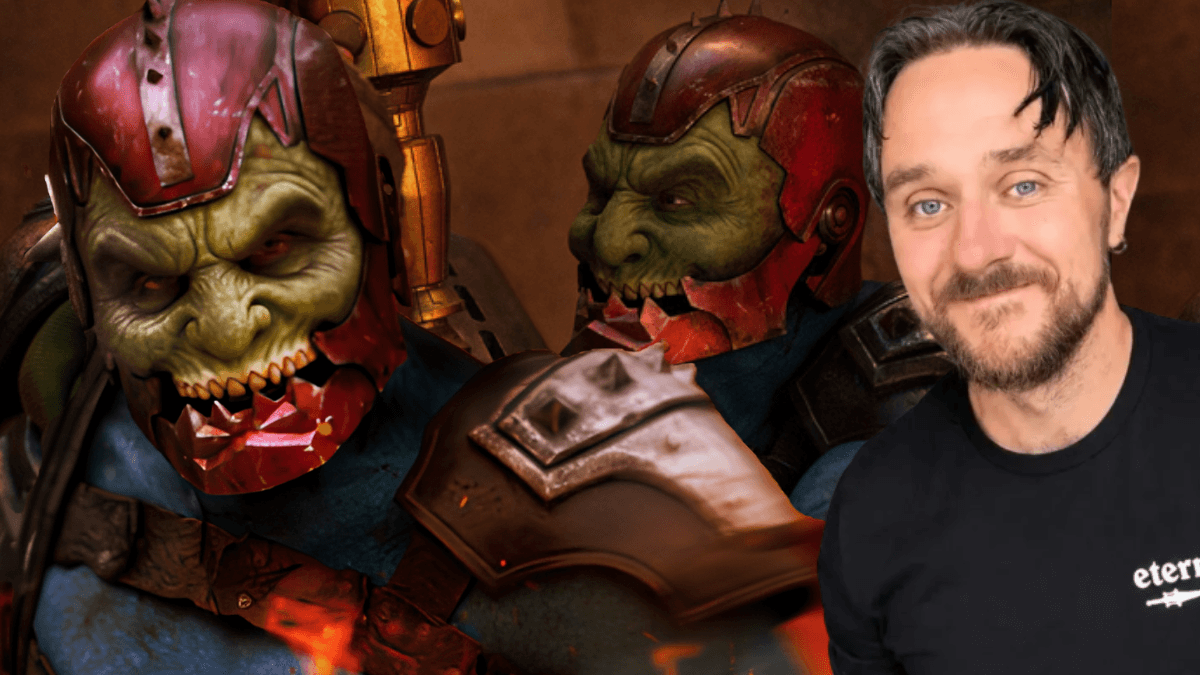
In The Wolverine, action sequences feel grounded and emotionally physical rather than overly polished. In Mortal Kombat, martial arts choreography carries the unmistakable DNA of Bruce Lee’s influence on fighting-game culture itself, especially through characters like Liu Kang, who was directly inspired by Lee’s image and fighting style.
Even films like Thor: Love and Thunder and Aquaman reflect the evolution of modern stunt work pioneered by Jackie Chan’s generation: blending action, rhythm, humor, environmental movement, and practical performance into massive cinematic storytelling.
Most audiences may never consciously recognize those influences while watching these films.
But the lineage is there.

Mortal Kombat (2021) Blu-ray + Digital
The 2021 Mortal Kombat film brings the franchise's martial arts roots back to the screen with fight choreography that carries Bruce Lee's influence through every frame, especially in Lewis Tan's performance and the Sub-Zero sequences.
Available on Amazon
Humility, Discipline, and the Human Side of Action Cinema
One of the most overlooked aspects of Bruce Lee’s philosophy was humility.
Despite becoming a global icon, Lee consistently emphasized self-improvement over ego. That same mentality appears repeatedly throughout Griffin’s stories about the stunt industry.
Griffin never forgot what happened after training one night in Japan.
The restaurant was nearly empty by then. Staff members already moving quietly through the room cleaning tables.
Griffin watched as one of the most respected stunt coordinators in the industry stayed behind and helped clean the table, after everyone else stood to leave.
No cameras. No audience.
“No one was watching,” Griffin remembered. “But he still took the time to leave the table how he found it.”
Years later, that moment stayed with him more than many explosions or fight scenes ever did.
Because it reflected something larger than professionalism. It reflected character.
That idea, of doing the right thing even when nobody is watching, has long been central to martial arts philosophy.
And in many ways, the stunt world quietly operates on those same values: discipline, trust, preparation, resilience, and humility under pressure.

The Legacy Lives Through People
Bruce Lee’s greatest legacy may not be a specific kick, fight scene, or philosophical quote.
It may be the generations of performers and artists still carrying those ideas forward in ways audiences never fully see.
Years after studying Bruce Lee’s philosophy, Griffin would find himself living it.
Just days after losing his father, he received a call inviting him to audition for a stunt opportunity in Melbourne.
Grief nearly kept him home.
Instead, he climbed into a beat-up thousand-dollar car and drove across Australia carrying little more than exhaustion, uncertainty, and the belief his father had always placed in him.
He got the job.
That opportunity helped launch the career that eventually led him onto productions like Aquaman, The Wolverine, and Mortal Kombat.
“My father believed in me before I’d achieved anything,” Griffin said quietly.
Late in our conversation, Griffin described night diving underwater in complete darkness.
“When you’re underwater at night, it’s complete darkness in every direction,” he said. “Anything could be around you.”
But fear fades, he explained, when you focus completely on the present moment directly in front of you.
Maybe that is Bruce Lee’s real legacy after all.
The lesser known, invisible real-life moments that quietly unfold. Messy and uncertain steps taken fueled by his philosophy long before they call “Action” and cameras roll.
The adaptability. The humility. The discipline to keep moving forward through uncertainty. The understanding that strength is not toughness. It is flow.
Today, those lessons still move quietly through modern cinema.
Through exhausted stunt performers rehearsing choreography beneath fluorescent lights. Through artists trying to stay present while chaos unfolds around them.
Bruce Lee may be gone. But his philosophy lives on in the people still learning how to move through chaos.

Be Water, My Friend: The Teachings of Bruce Lee
Written by Shannon Lee, this book brings her father's philosophy to life through personal stories, family history, and practical wisdom. A meaningful read for anyone drawn to Bruce Lee's ideas about adaptability, presence, and self-discovery.
Available on Amazon